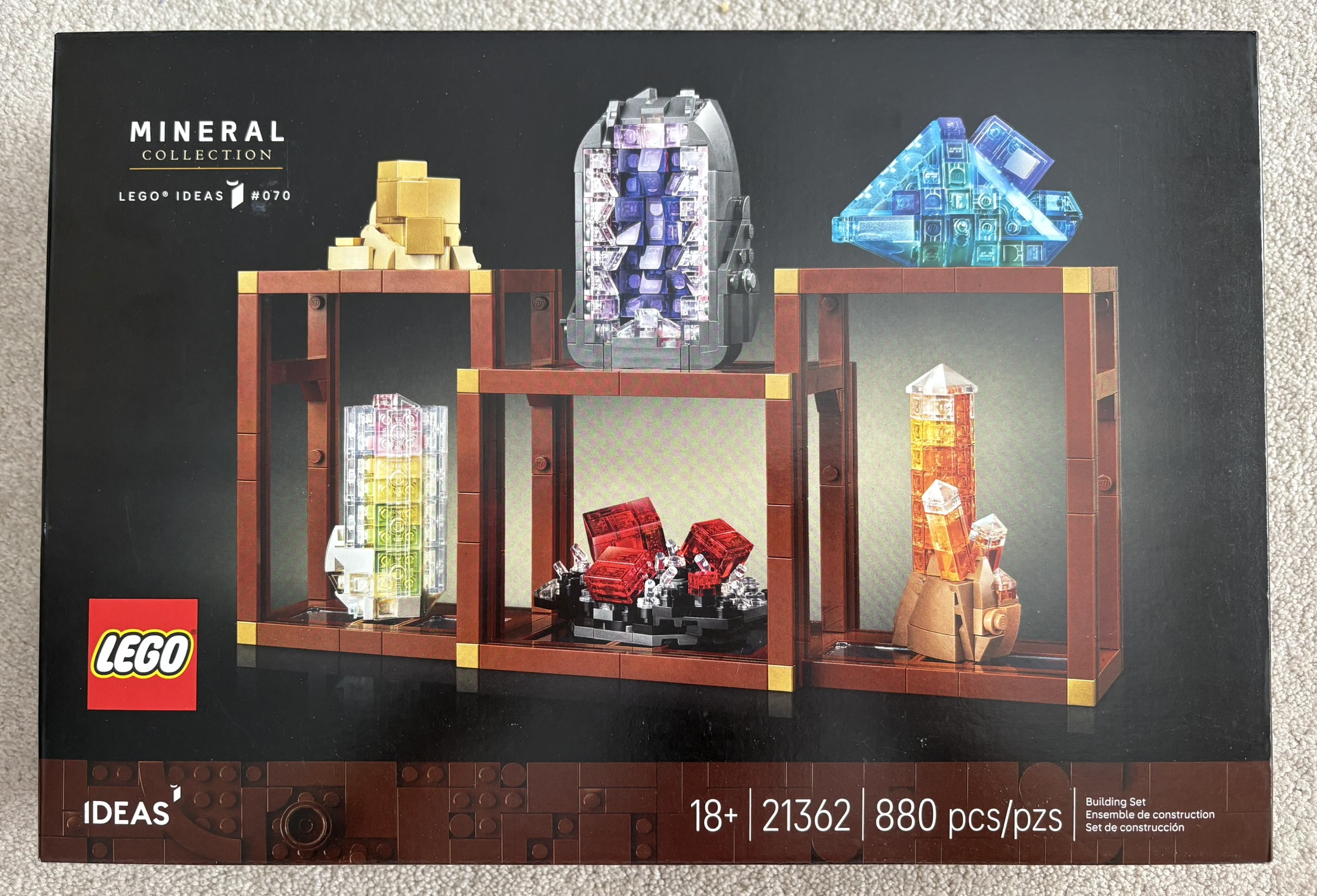
I’ve been finding building LEGO sets relaxing and they also make great gifts. I received the LEGO Ideas Mineral Collection for Christmas 2025 and started building it January 3, 2026. The 880 piece set took me four days of on and off building to complete. What attracted me to this set was the amethyst, which is my birthstone, and the minerals brought back memories from when I was a child and obtained an amethyst geode as a kid when attending Science North. I recall you’d bring in natural artifacts and trade for points which you could then use to ‘purchase’ other items they have.
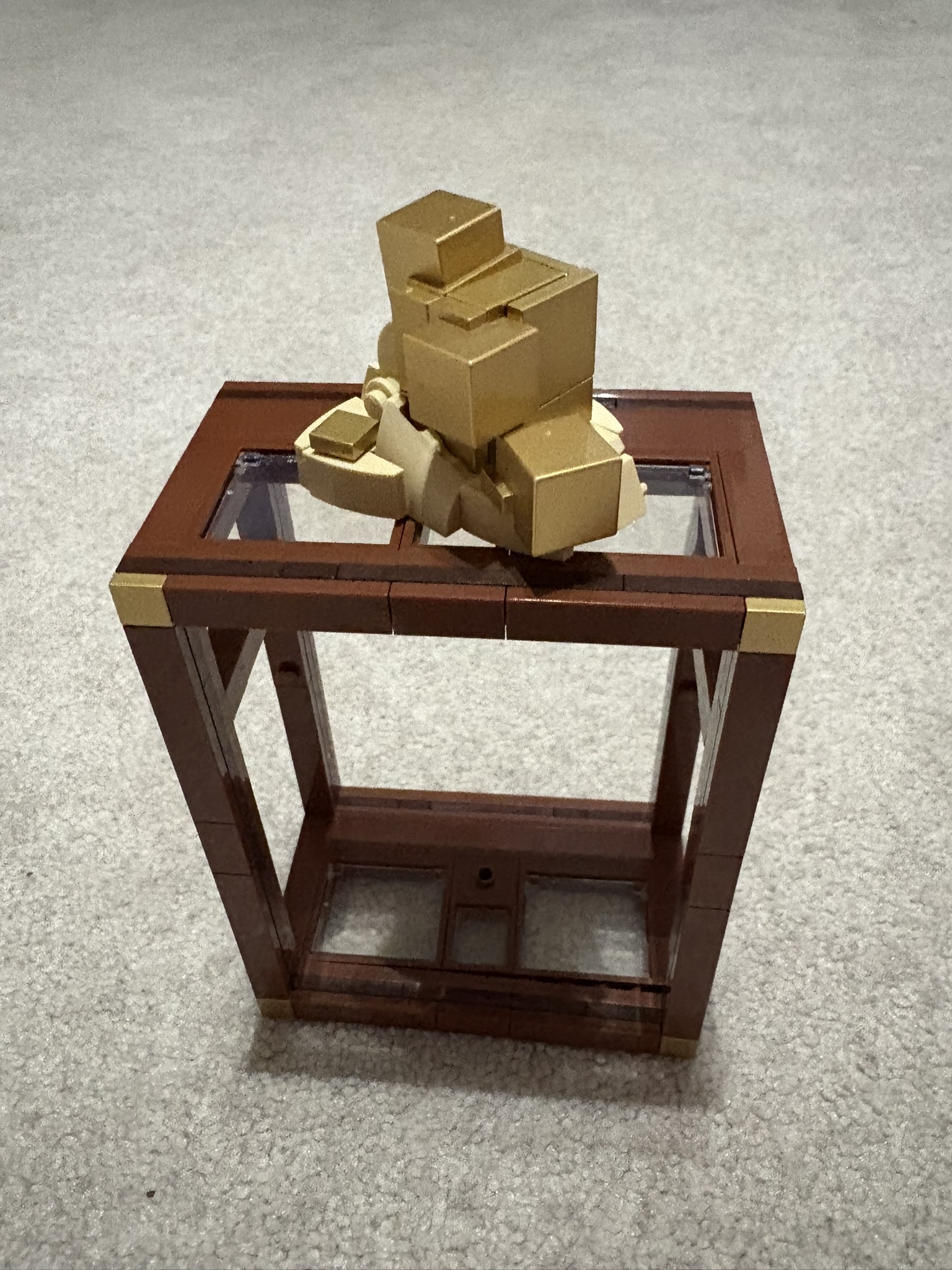
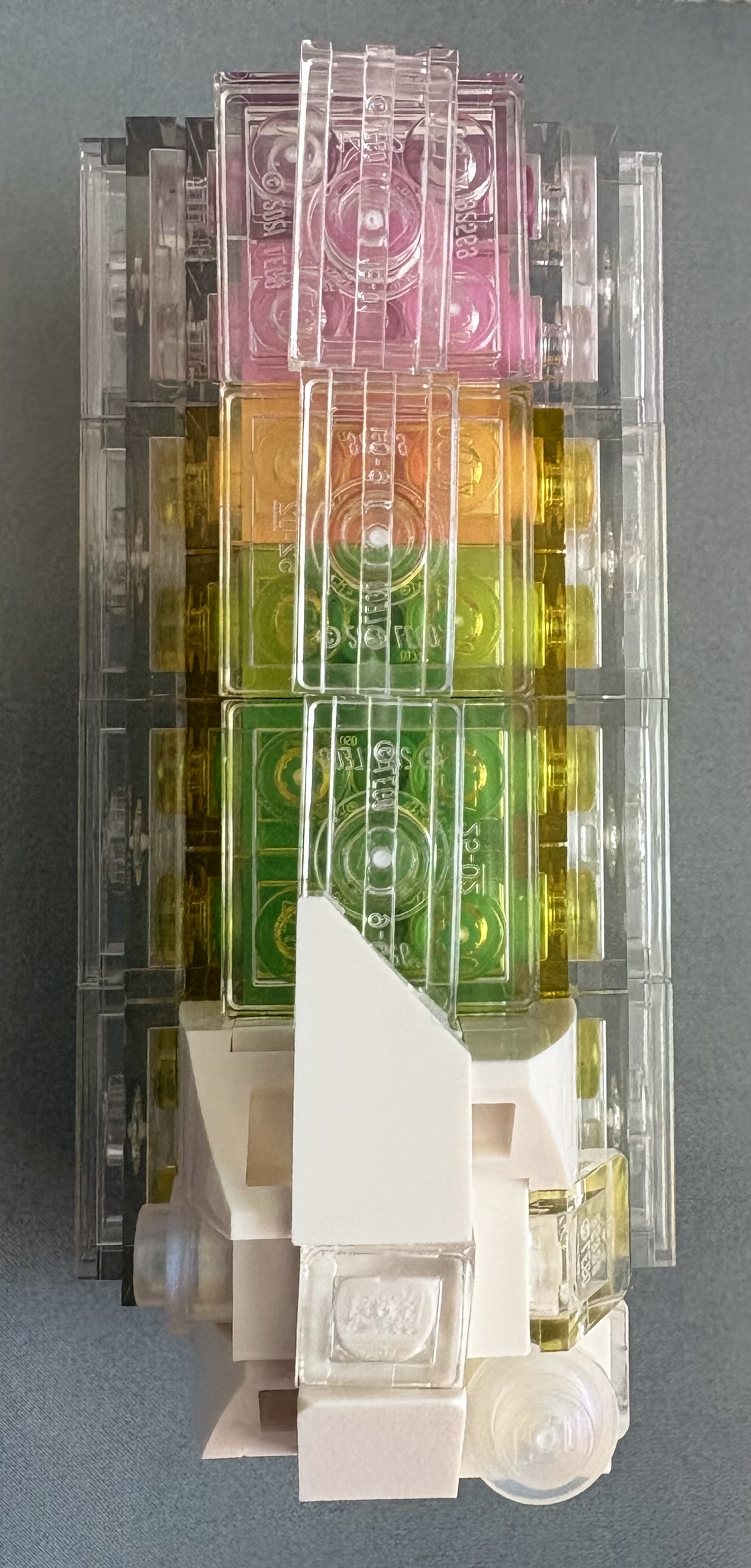
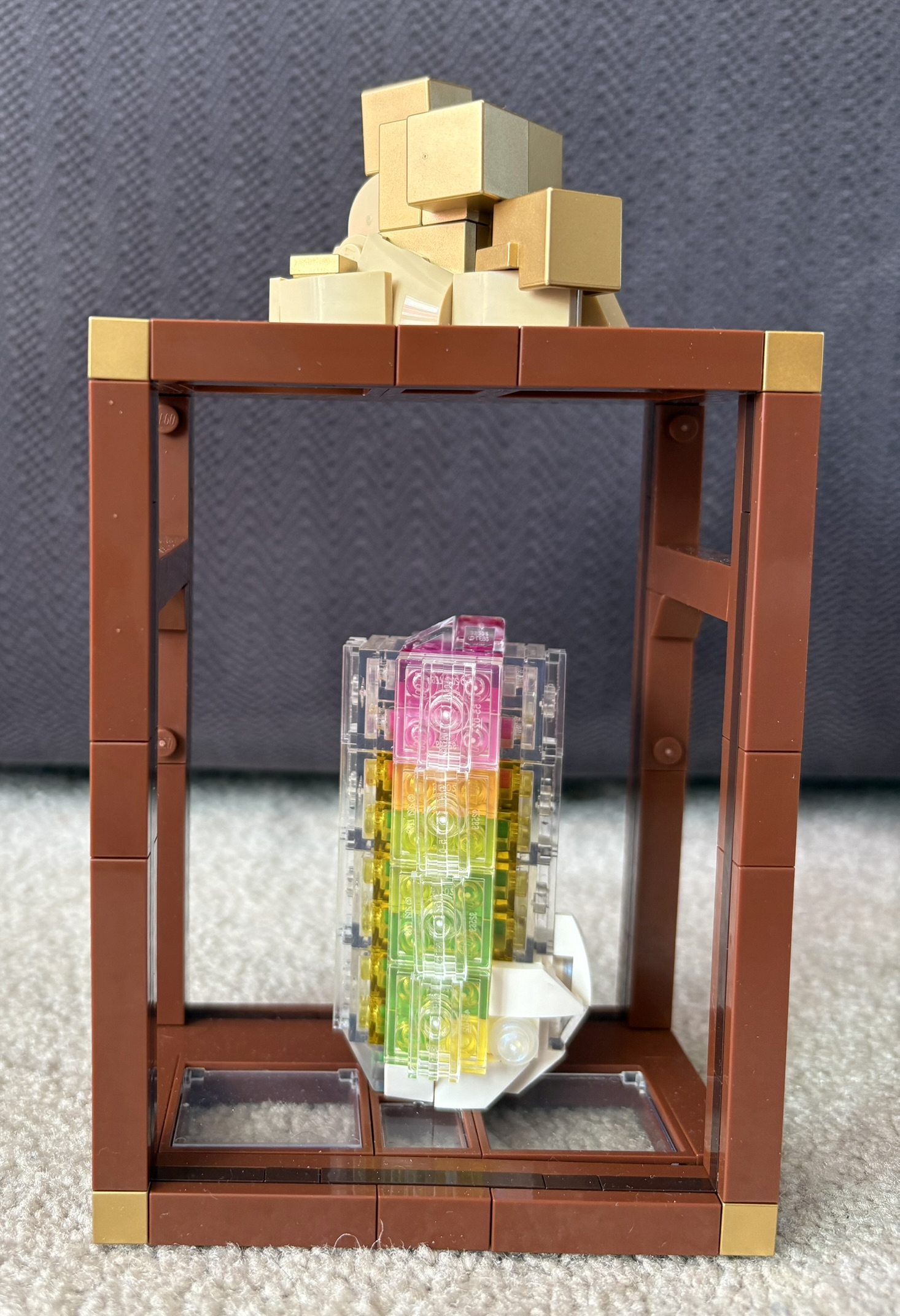
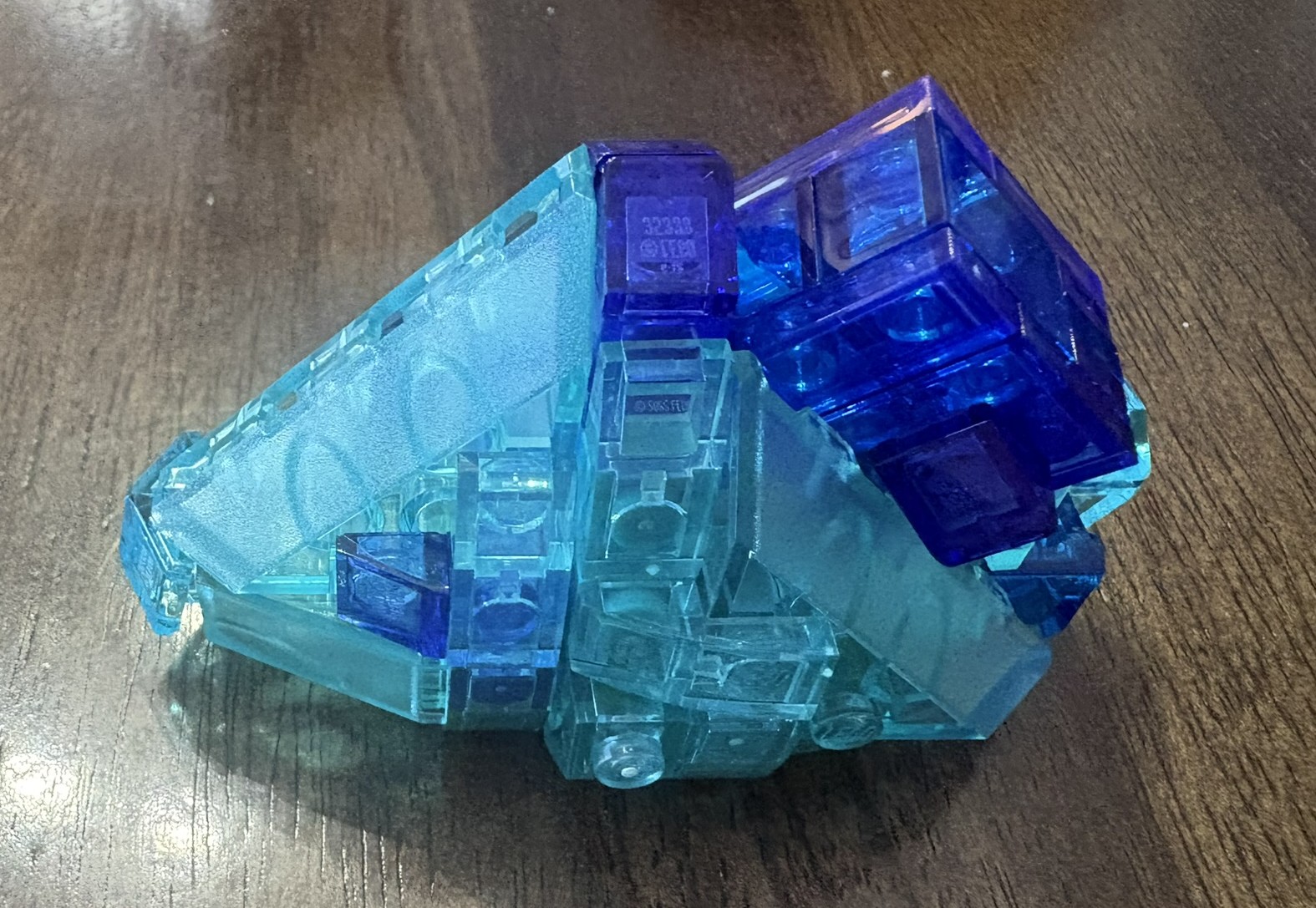
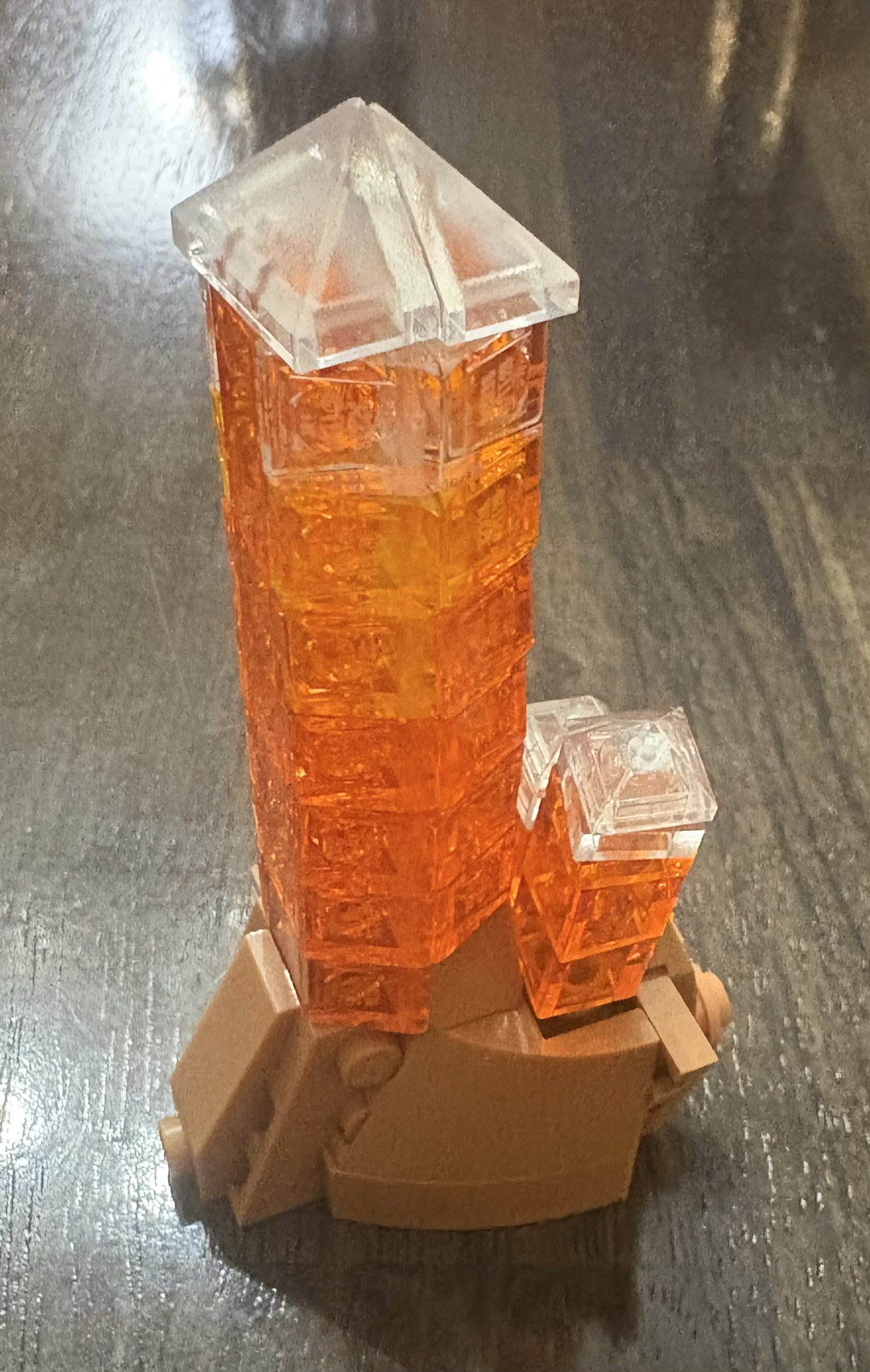
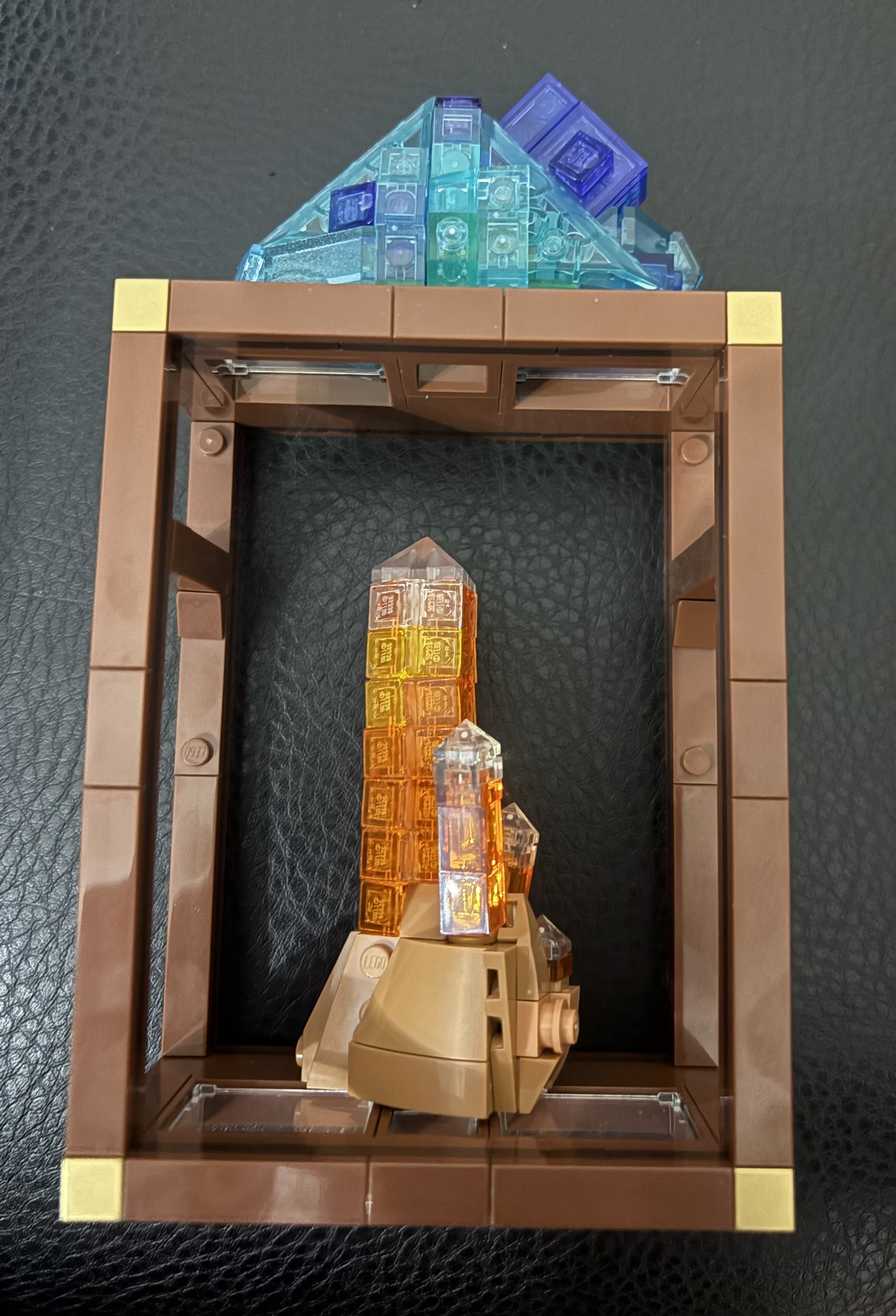
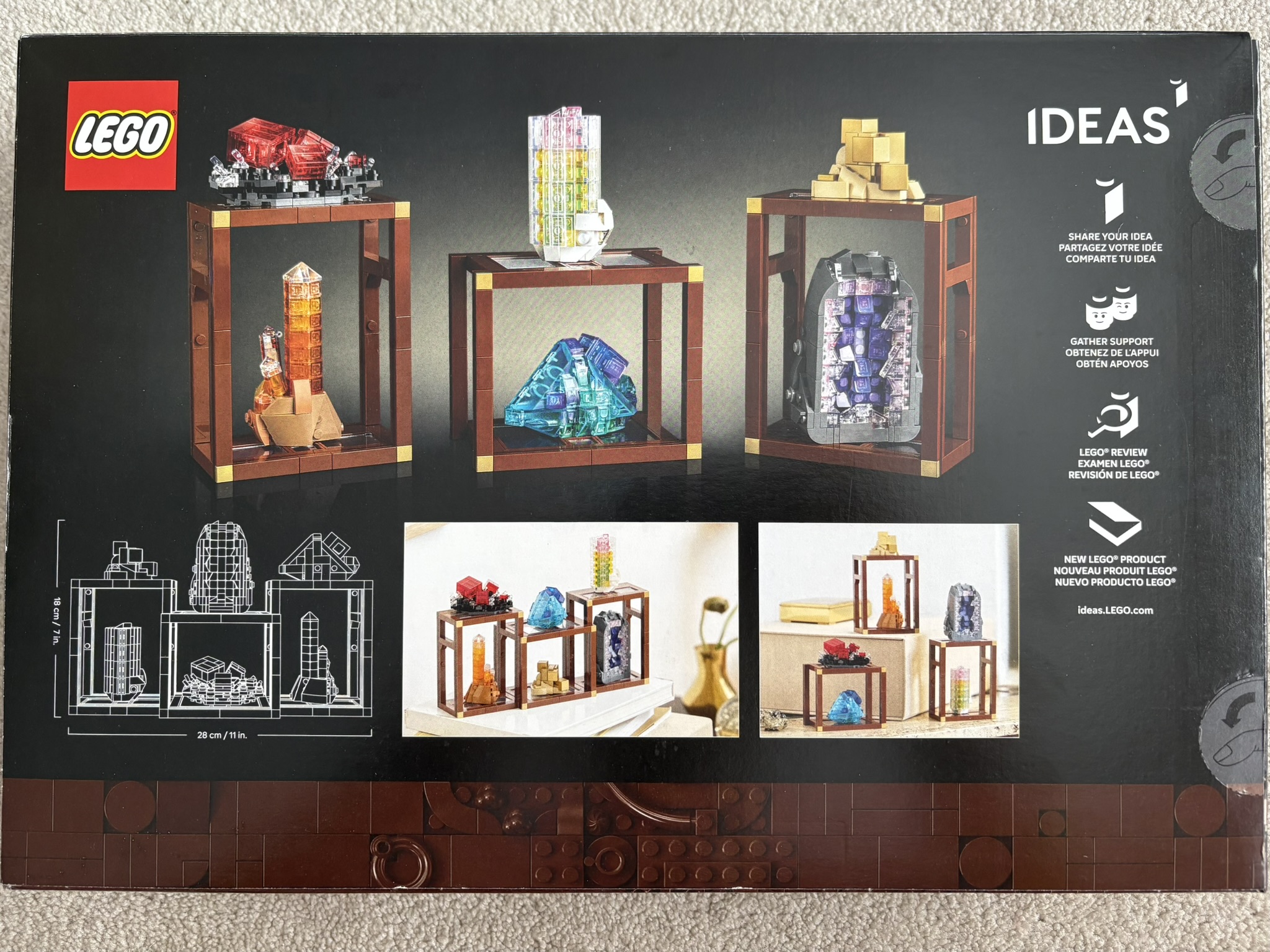
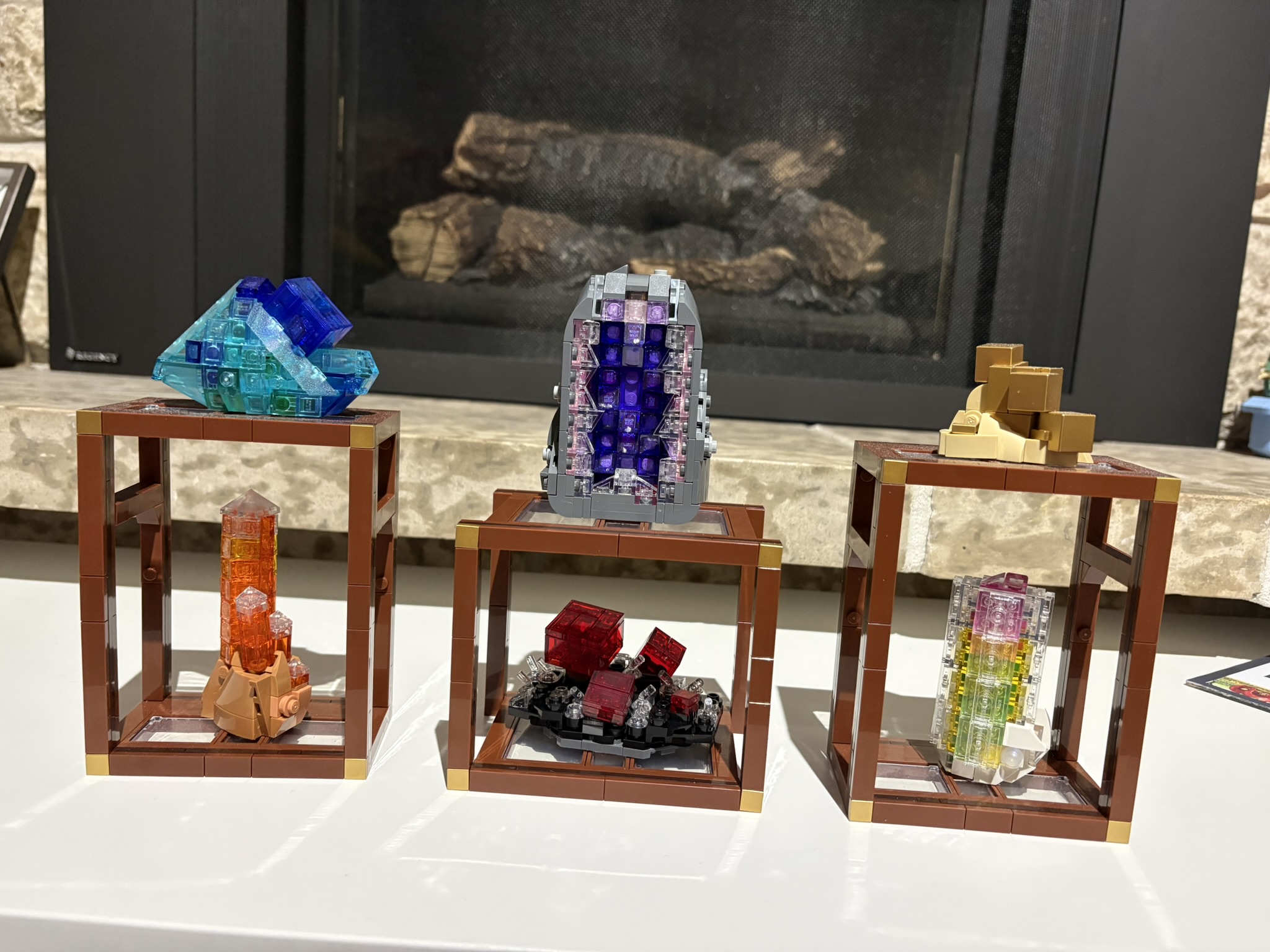
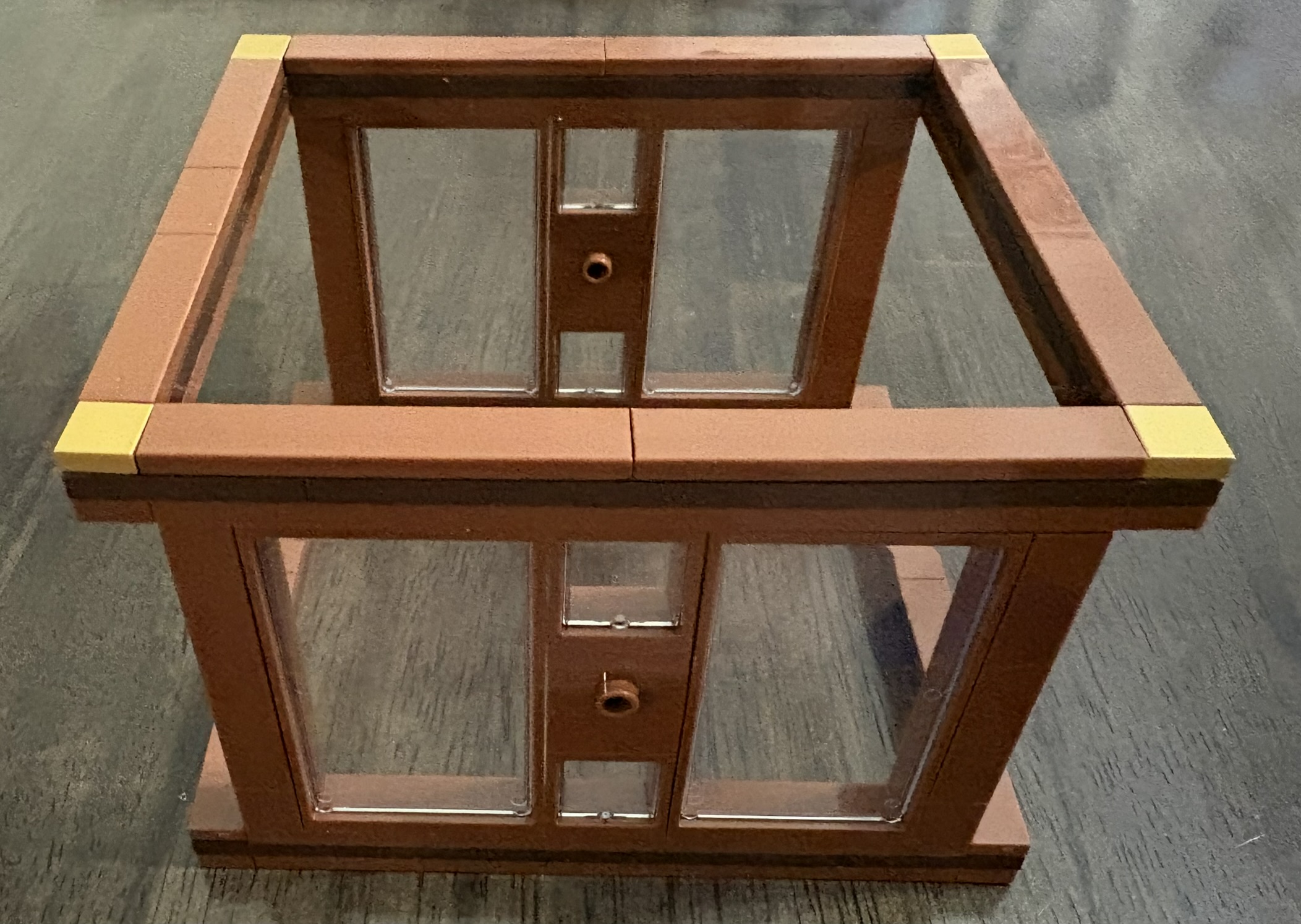
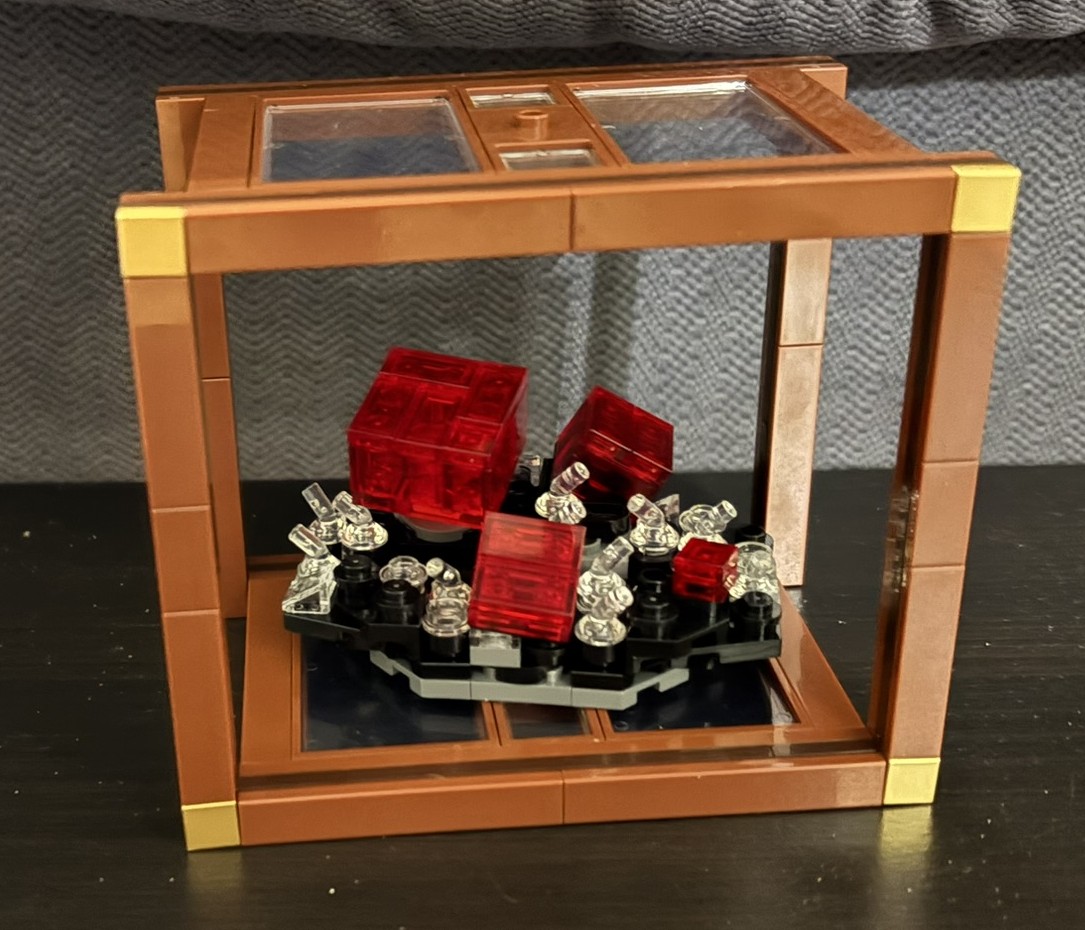
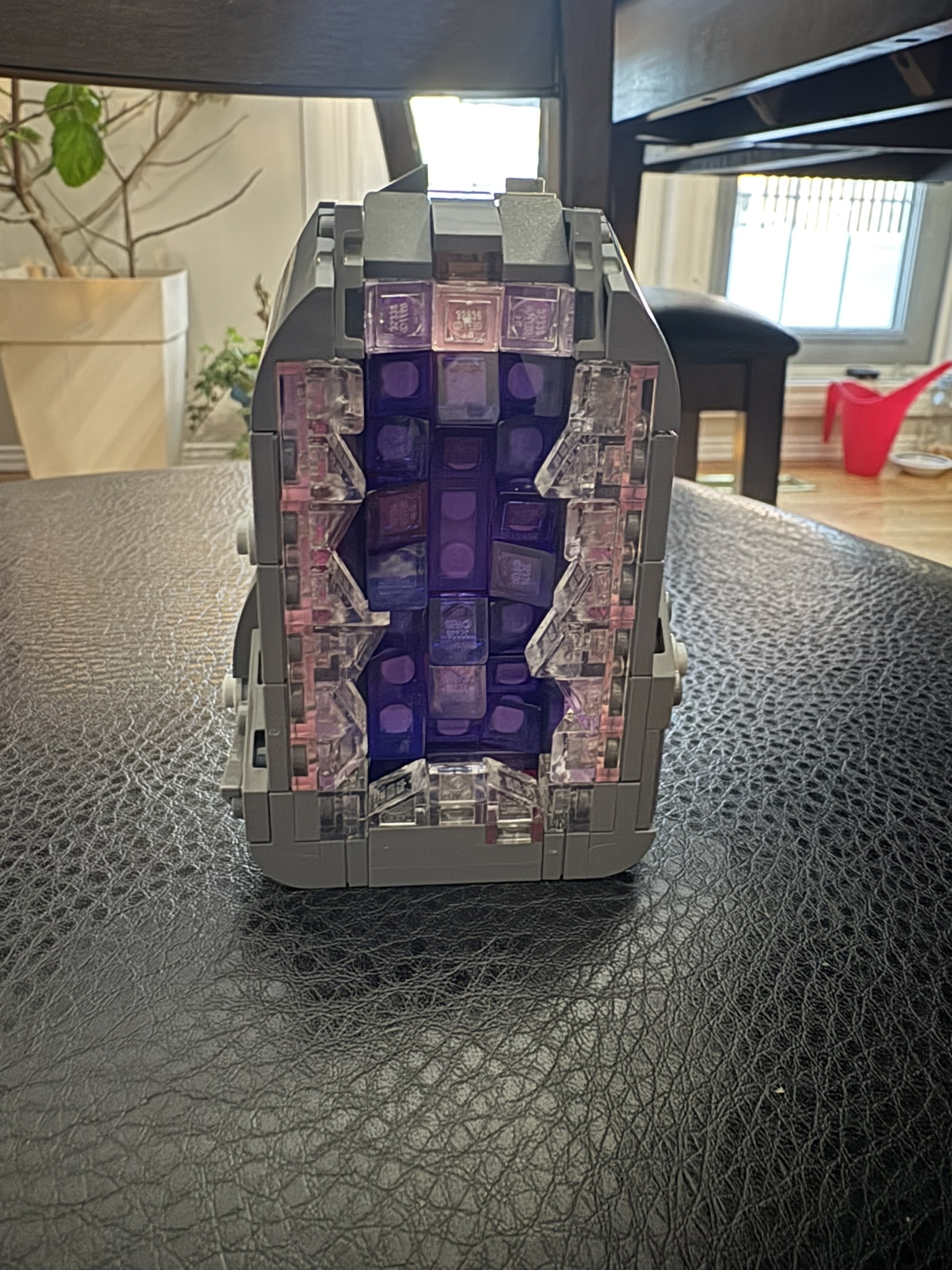
In the images above and below you can see the what the various minerals you get to build look like. Like a lot of LEGO sets you also get to potentially learn something new, in this case about some stunning minerals that developed over millions of years before emerging from the the Earth’s depth. These were shaped by heat, pressure and time. A couple of the mineral builds are straightforward while other are more complex and fun to build. I haven’t seen so many transparent and shiny LEGO pieces come together so nicely and make for an interesting build, which is offset by the dark black in the rhodochrosite.
Pyrite, also known as fools gold, is an iron sulfide mineral forming in hydrothermal veins and sedimentary rocks. The watermelon tourmaline grows in pegmatite pockets where minerals like manganese and lithium help form it s unique pink-green colors in elongated crystals. Fluorite typically forms in a cubic crystal system (isometric cubic structure), characterized by three equal-length axes that intersect at right angles, but it’s not unusual to see it in octahedral and other intricate isometric shapes. Tangerine Quartz gets its distinctive color from iron-rich mineral coatings, forming as clusters or single points with a translucent, slightly rough surface. Rhodochrosite forms in hydrothermal veins in manganese-rich deposits, often creating banded or rhombohedral crystals, a 3D shape or crystal system where all sides are equal and the axes intersect at oblique angles forming a rhombohedron, in pink or red shades. Amethyst develops inside volcanic geodes, creating vibrant, purple-hued quartz crystals.
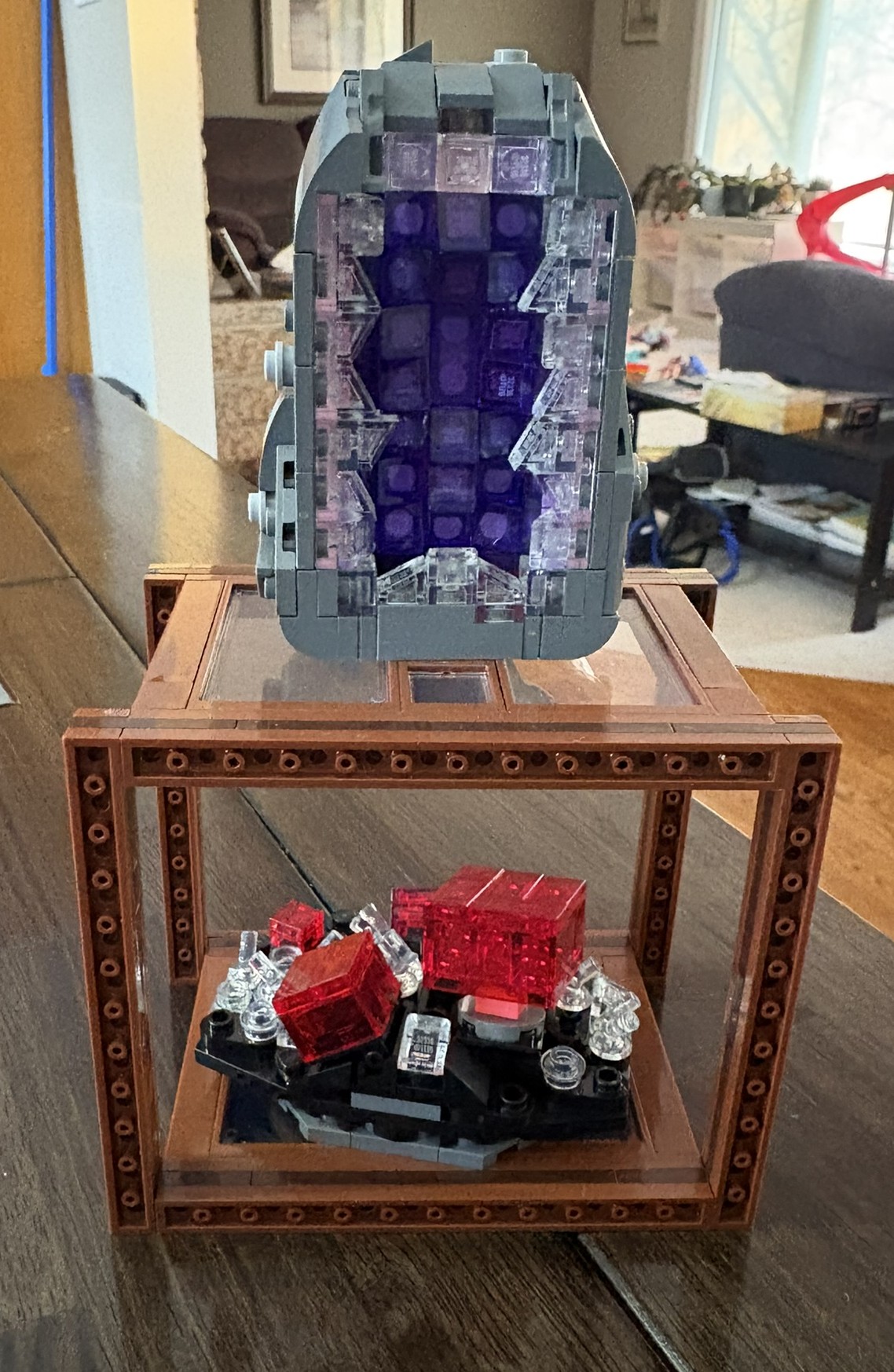
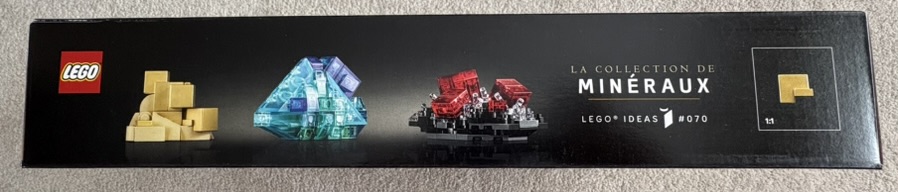
Below you can see the box the set comes in and in the featured image you can see the completed set displayed in front of our fire place.